
Keeping their cool
When Jeff Carver and Steve Trevino founded Summit Refrigerants in 2008, it began as a five-person operation working in 6,000 square feet. A provider and reclaimer of refrigerants that keep buildings and homes cool—and chemical plants up and running—Summit has since grown and evolved in response to customers’ needs and ongoing legislation intended to protect against ozone depletion and global warming. Along the way, Bank of Texas has stepped in to help with both short- and long-term financing solutions.

In an industry where prices can swing overnight and regulatory shifts can quickly reshape demand, Summit Refrigerants needs more than traditional financing. The company operates in a market defined by uncertainty—global production limits, environmental policy deadlines and unpredictable supply constraints all influence timing, pricing and inventory decisions.
Since 2008, Bank of Texas has supported Summit through these challenges, becoming a consistent presence as the refrigerants company grew from an emerging player into a multi‑location operation serving a national customer base.
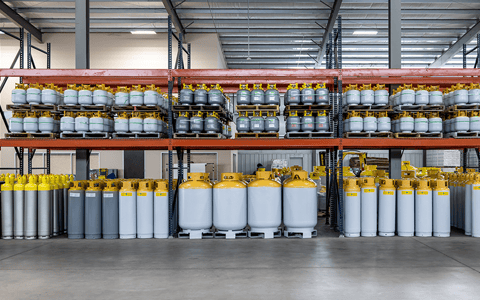
Refrigerants do not follow familiar commodity patterns. Inventory often requires significant upfront investment, even as customer payment cycles lag behind procurement timelines. Materials can change in value dramatically before they’re delivered, and regulatory mandates can rapidly compress buying windows. For Summit, managing cash flow in this environment has always required flexibility.
One early example came in 2015, when Bank of Texas financed land that exceeded Summit’s immediate needs. The acquisition reflected a shared belief that the company’s growth was accelerating. That foresight proved critical just a few years later.
By 2019, Summit was ready to build a new 60,000‑square‑foot facility outside Houston to support expanding operations. Because the land was already secured, the company was able to move directly into construction without delays, relocation challenges or competitive pressure that often complicate expansion for fast‑growing firms.
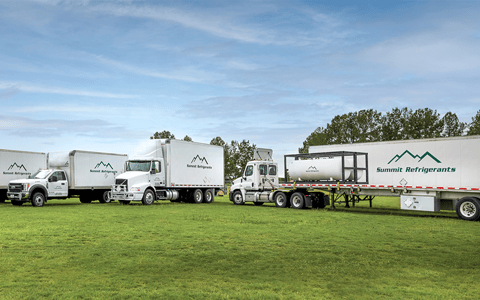
Since then, Summit has continued to scale, adding locations in Dallas and Baton Rouge while expanding service capabilities across multiple customer groups. Construction lending, an expanding line of credit and letter‑of‑credit facilities have supported the company’s evolving buy‑and‑sell model as its footprint has grown. The strength of the relationship became particularly important during the price surges of 2021 and 2022.
Anticipation of new environmental regulations led to sharp increases in refrigerant costs, driving inventory expenses higher while customer payment cycles remained unchanged.
For many companies in the industry, those conditions created significant financial strain. Summit, however, was able to continue operating and growing through a period that tested even well‑capitalized firms. Adjustments to borrowing structures helped account for extraordinary volatility without disrupting day‑to‑day operations.
Today, Summit continues to expand into new markets and strengthen technical capabilities through collaborations designed to increase service capacity and support a more sustainable refrigerants industry. As market conditions evolve and regulatory pressures shift, the company remains focused on long‑term growth backed by financial support aligned with the realities of its business.
Three things to know before buying land for business use:
- Choose a location that’s compatible with existing businesses, zoning regulations, and highway or delivery route accessibility, as appropriate.
- Anticipate business growth from both a facilities and headcount perspective in order to delay or avoid an unnecessary next move. The cost of acquiring more land now will often outweigh the expense and inconvenience of a future relocation.
- Seek engineering or architectural expertise in advance to identify potential terrain or drainage issues that can threaten your build out. Many are expensive to remediate.
More success stories
An IntraFi® Network Deposit helps United Way keep community funds safe and available.
A partnership approach, rather than transactions, supports Quadvest’s payment process.
40-year-old company depends on Bank of Texas to support complex financial needs.